The film

The Film Synopsis:

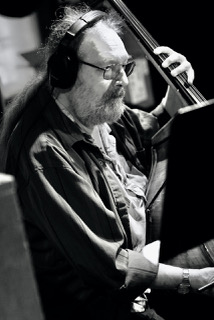
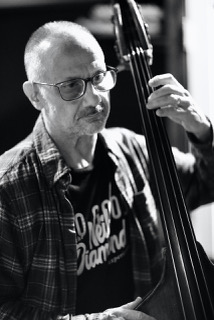
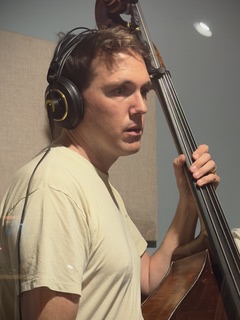
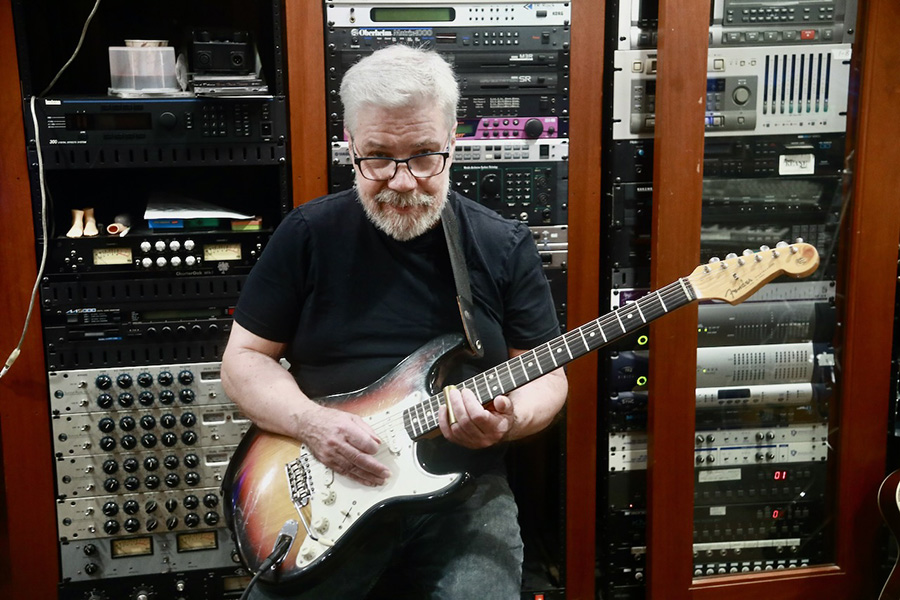
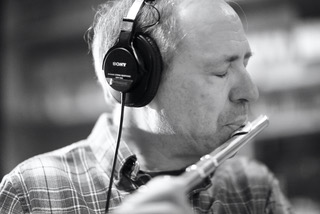
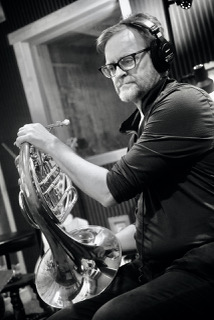
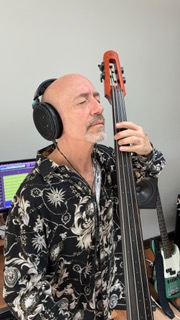
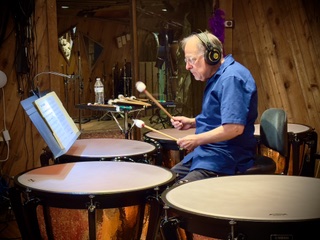
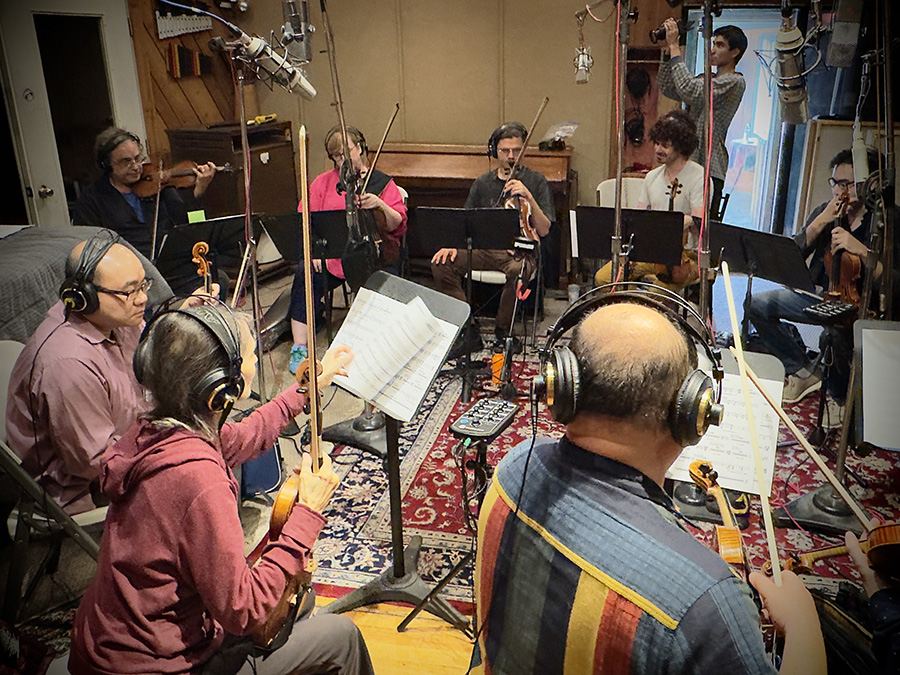
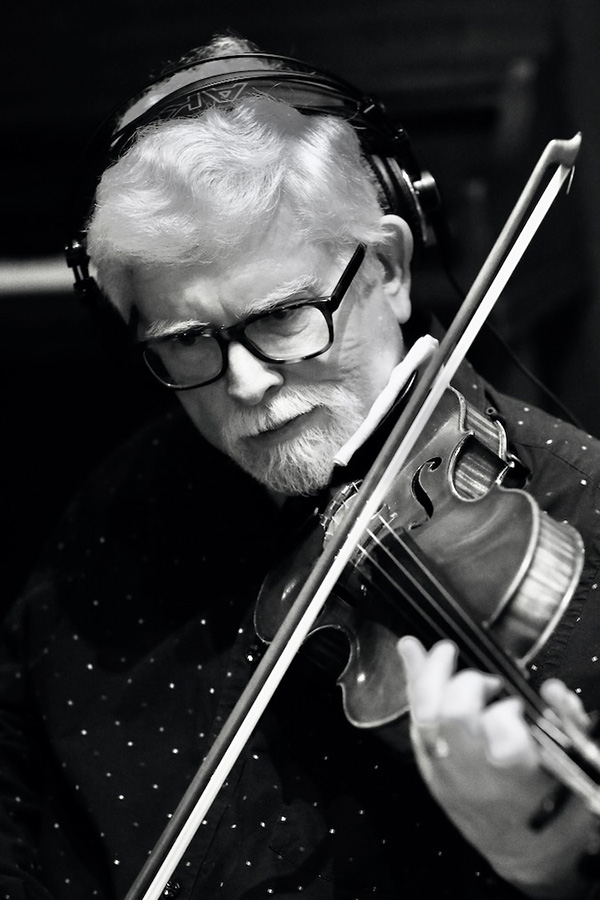
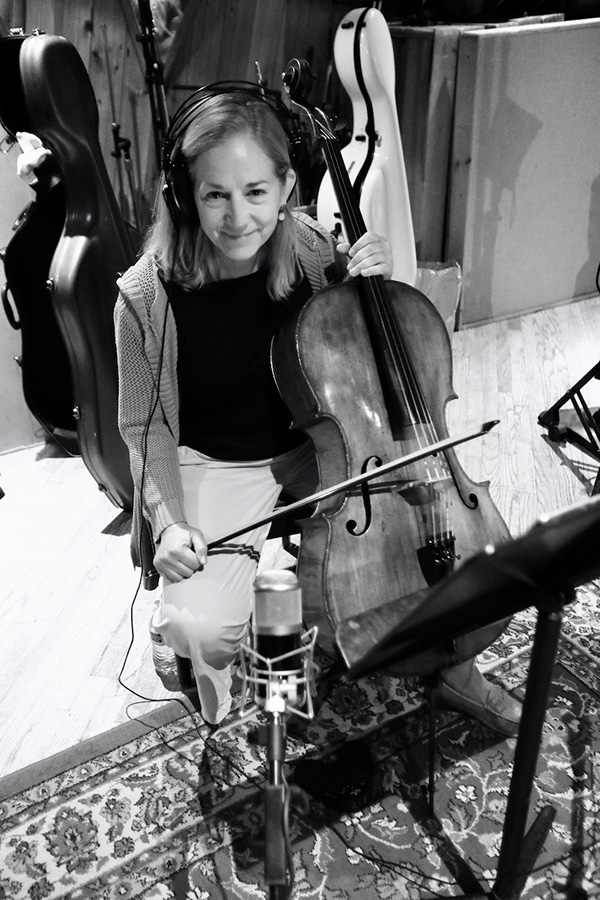
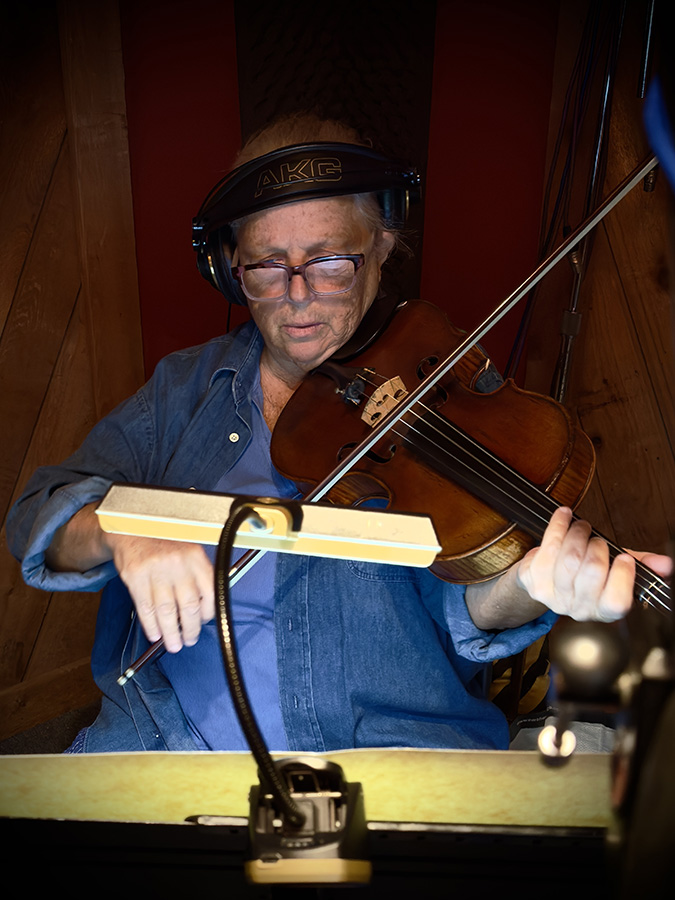
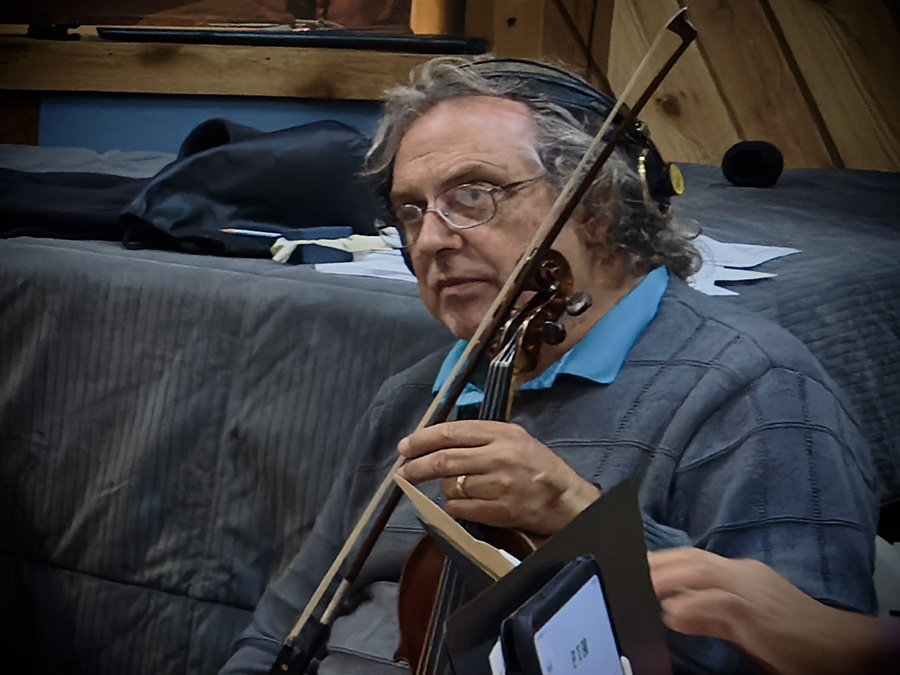
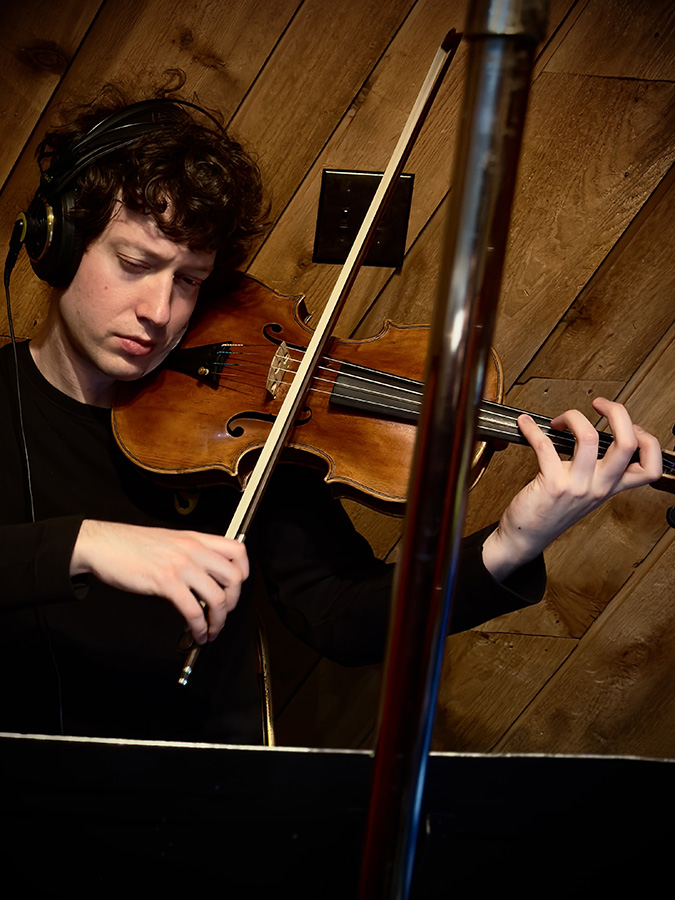
Based on a unique, multi genre world symphony written in 1984, recorded in 2025 by some of the most accomplished musicians around the world, and combined with spectacular images shot around the world, A Speck in Time is a one-of-a-akind revelation of reality as it magically appears from a big picture viewpoint. A Speck In Time is a visual and musical celebration of the miracle and mystery of our existence, boldly appreciative and spiritually uplifting.

Read the full synopsisClose full synopsis

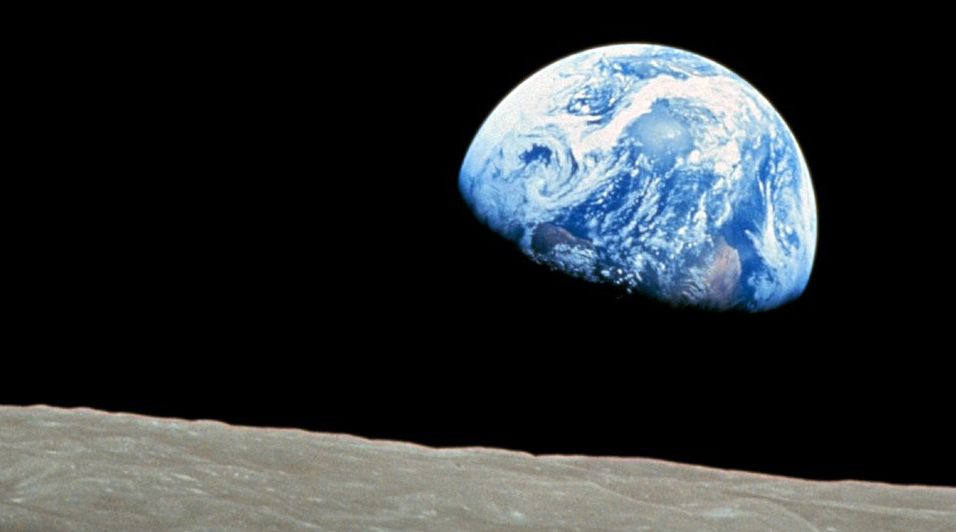
Beginning with the iconic Earthrise photograph taken by the Apollo 8 astronauts in 1968, as a reference point for what many people think of as Earth in space, the film contrasts our limited perspective with the scientific estimation that Earth is one of 3.2 trillion planets in the Milky Way Galaxy (one of 2 trillion galaxies in the observable universe). Yet, in all of that incalculably vast space, Earth is the only planet ever discovered that is capable of supporting life as we understand it.

Life began on Earth 4.5 billion years ago. No one knows how. Humans didn't even appear until 4.2 billion years later, and the first human civilization is believed to be only 6,000 years ago!

Using spectacular footage shot around the world, the film depicts the diverse variety of life and landscapes on Earth, then, as the music themes transpose into dissonance and complication, the film traverses the entire history of mankind in less than three minutes, pointing out how new humans are to life on Earth, and ending in a frenetic combination of images from every ethnicity, region, gender, and age building into a spectacular drum solo with the whole orchestra, and stopping suddenly except an ethnic Indian drone and a clarinet playing under a floating leaf in water.

From there, A Speck In Time transforms into a more meditative place, as the film considers that everything on Earth is made of the same cellular material, and what differentiates living cells from any other is the ability to replicate. The replication that creates life is depicted in a variety of animals and their offspring in their natural earthly setting, as the musical main theme is converted to an intimate and beautiful orchestration that conveys the love and caring of the generational process of parenthood across a wide variety of animal species. The mood changes rather quickly into this section however, to also convey that Earth can present challenges to life, even while simultaneously making life possible. Both the images and the music grow in intensity, and both in beauty, with amazingly beautiful views of Earth’s most magical landscapes, and in challenge, with blizzards, tornadoes, volcanoes, and hurricanes, breaking through to spectacular vistas of the natural Earth and some of its most impressive landscapes, soaring to and culminating at the top of Mount Everest.

This is rather comically followed by a woman, bored at her computer and looking out the window, and a series of people of all ages, tapping on their computer keyboards at work, in classrooms, and on cell phones, all more involved with technology than with the incredible world, right outside their window, in which they are privileged to live. The music is wild, futuristic, complicated, almost cartoonish, totally surprising, and thoroughly entertaining, as we see people in fast motion sequences, at work on computers, and interacting with high tech equipment, contrasted with robots actually making that equipment, as if robots were making human robots! The frenetic pace of human technological expansion ends in a daybreak sky with the words, "The world is hosting a party and we're all invited."

From this point on, the film becomes a joyful party of all ages, ethnicities and stations in life. The three different musical themes developed through the symphony begin to play in counterpoint with each other, as if the world discovered it is existing in that same counterpoint relationship with each other, on the same planet, in the same speck in time. The music and the images combine to create an uplifting and glorious feeling in joyful celebration of the miracle of our existence together. The music soars over spectacular landscapes and, in the end, awe struck by the spectacular gift we get to live in and experience, turns reflective. As dandelions wisp away in the wind the scene turns to night and we see animals and humans resting, regenerating, and the piece is enveloped in a deep sense of mystical gratitude. Ending with a return to the space from which it began, the title of the film, A Speck In Time, appears for the first and only time, coming from far off in space, towards us and holding, before crumbling to dust and fading into the star field.

In the entire film, while there are some indigenous voices, there is no narration. A small amount of information is conveyed in graphics, and the rest is conveyed entirely through the music of the symphony, and the edited images from around the world.
Viewer responses

Film Reviews

A Masterpiece!

What an achievement. It’s in a category of one. The music is SO stirring.

Phenomenal.

Fantastic...had me glued the whole way...I felt uplifted after watching it.

Very beautiful.

The word “genius” should be reserved for music like this.

This is fantastic!

Visuals are great...music was perfect.

The music is stunning.

Extraordinary undertaking.

Uplifting.

It reminded me a bit of Godfrey Reggio’s Koyannisqatsi for its scope and vision, but it’s so different.

We loved it.

I was deeply moved by it. Certainly an unclassifiable kind of artwork.

It’s fantastic!

Moving, gorgeous, thought provoking, mesmerizing.

Just Incredible.

Beautiful, and very well done.

Enjoyed it immensely.

Masterful in every way.

Amazing!

The music is glorious...it’s all so unified, musically, visually, thematically.

Very Cool.

I really liked it, and my seven-year-old daughter really enjoyed it, too. She was dancing to the music.

Really enjoyed it.

Exhilarating...the music and imagery are thrilling.

Very impressive!

The music and images blend so well together.

A Magnum Opus.

Magnificent in so many ways!

A Speck In Time

Making Of The Film

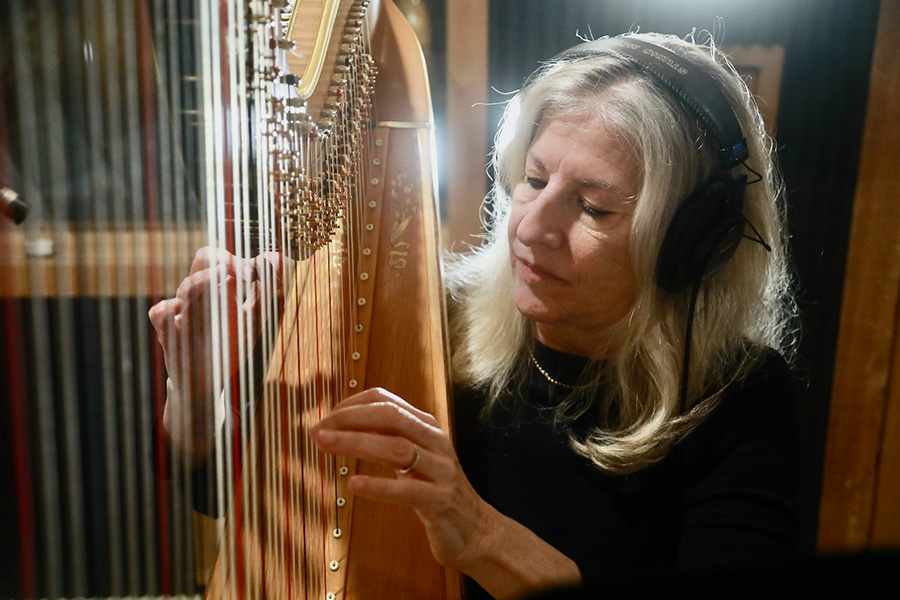
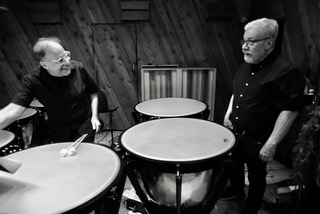
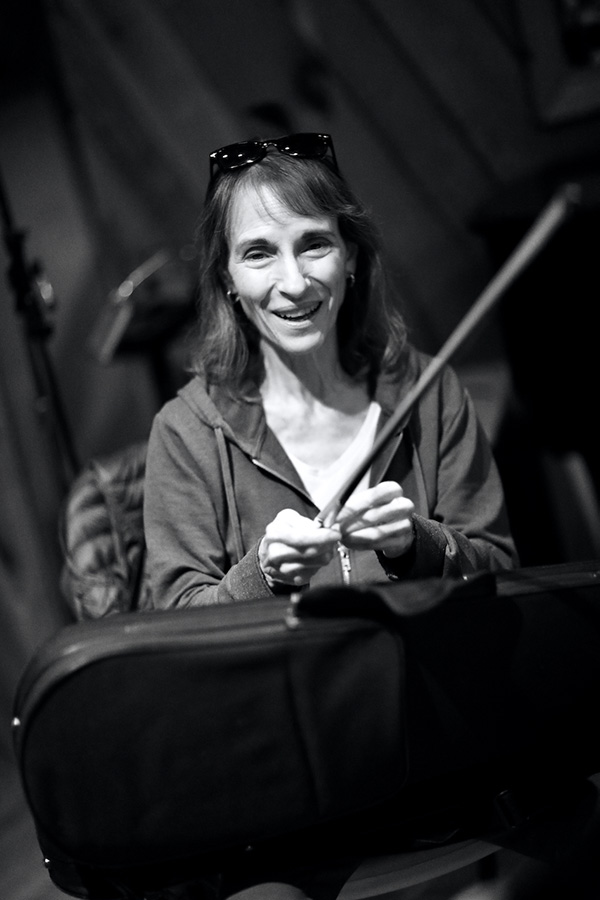
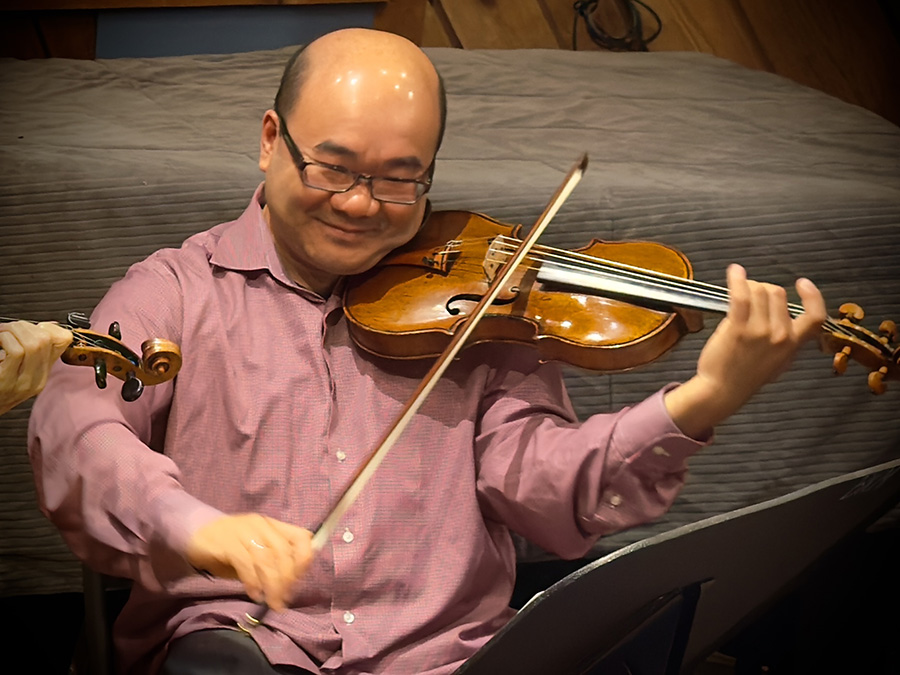
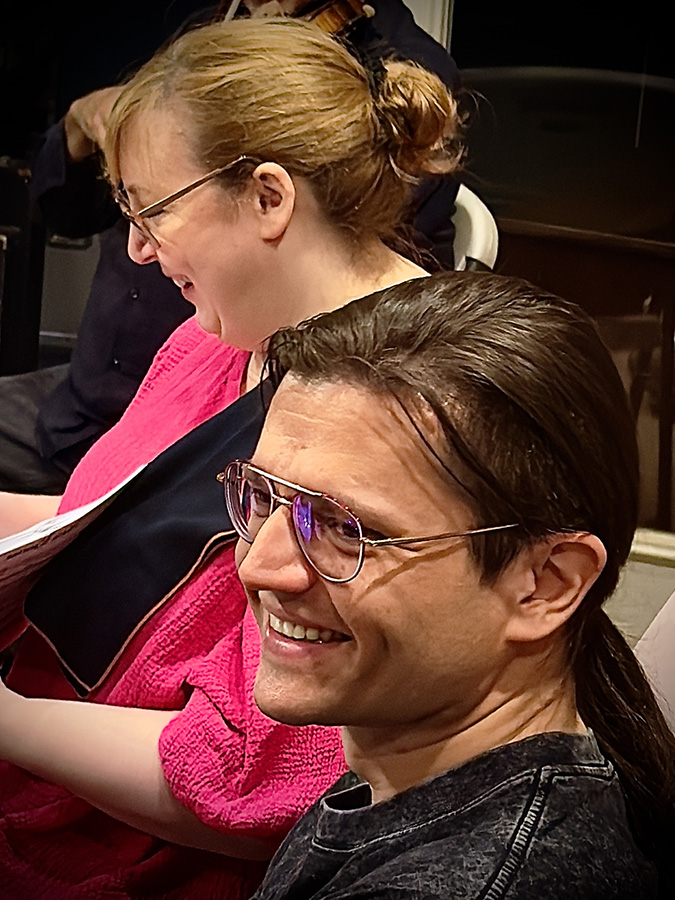
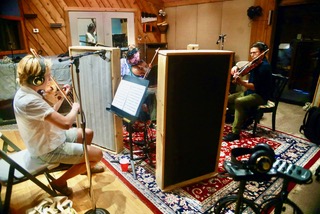
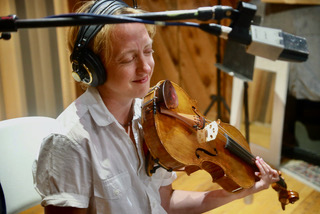
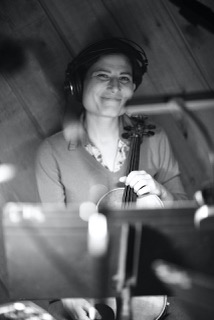
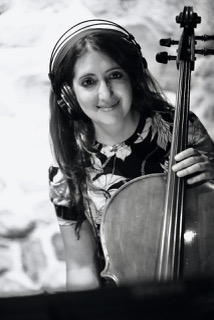
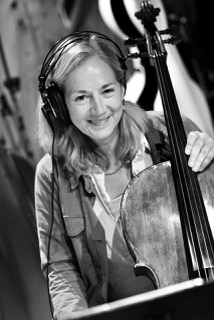
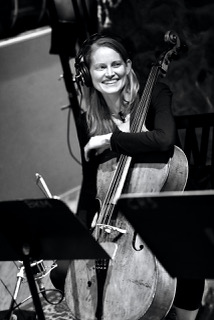
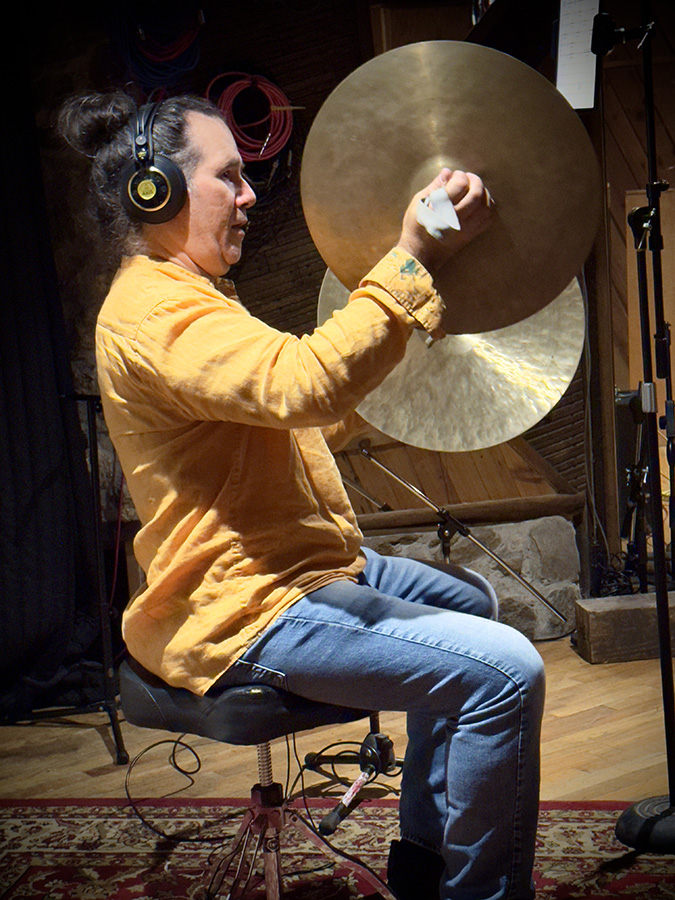
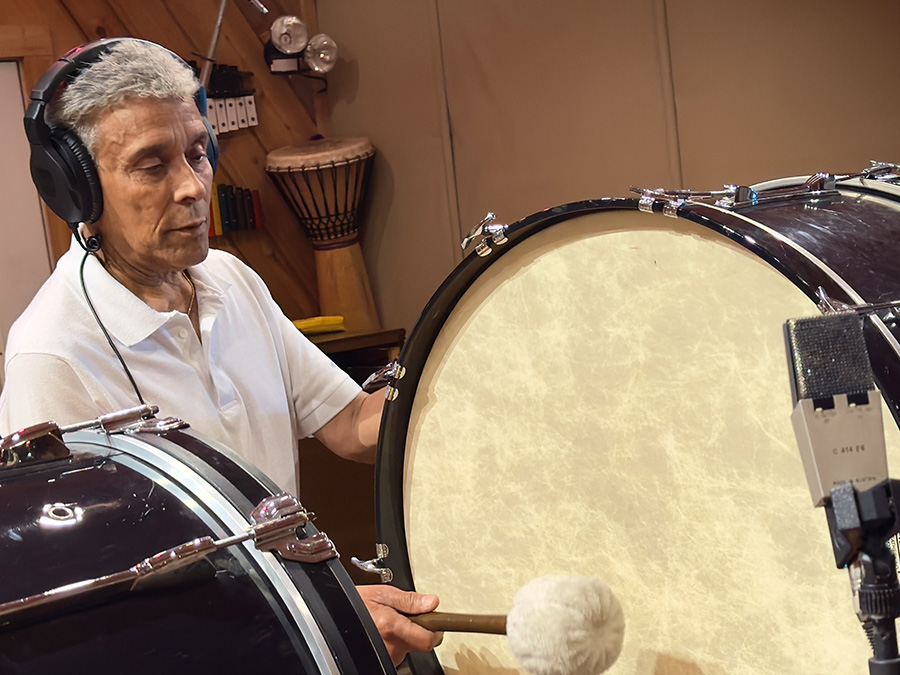
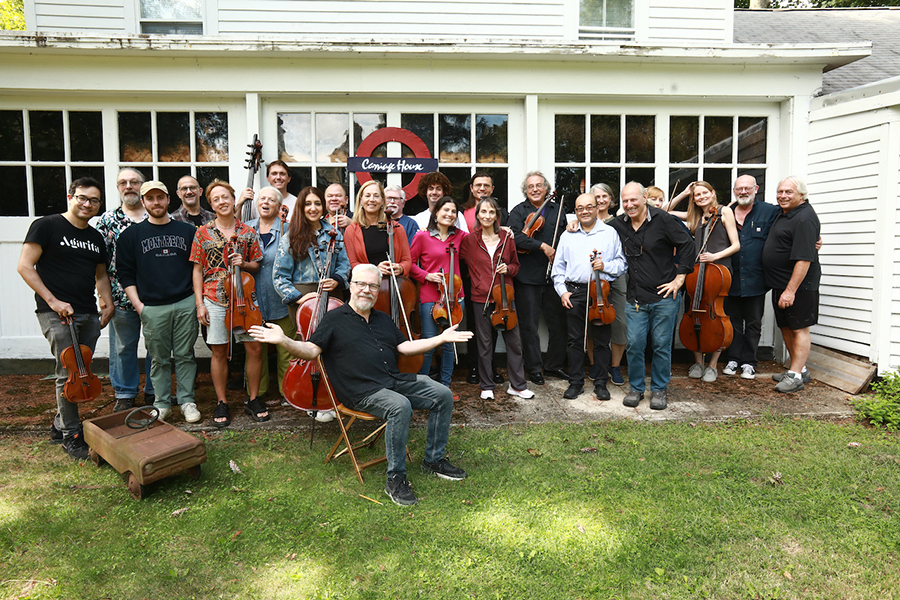
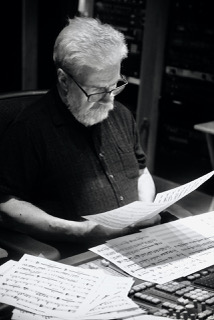
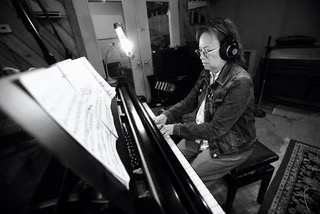
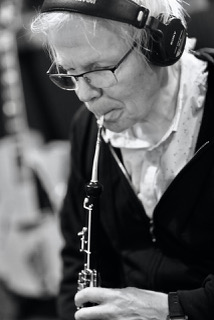
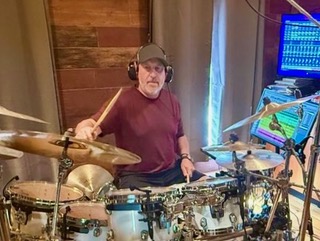
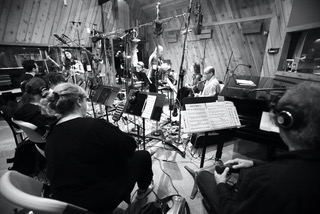
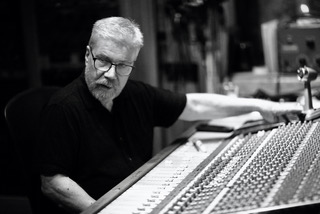
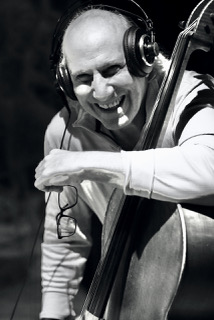
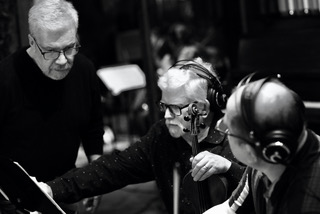
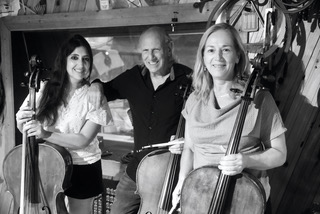
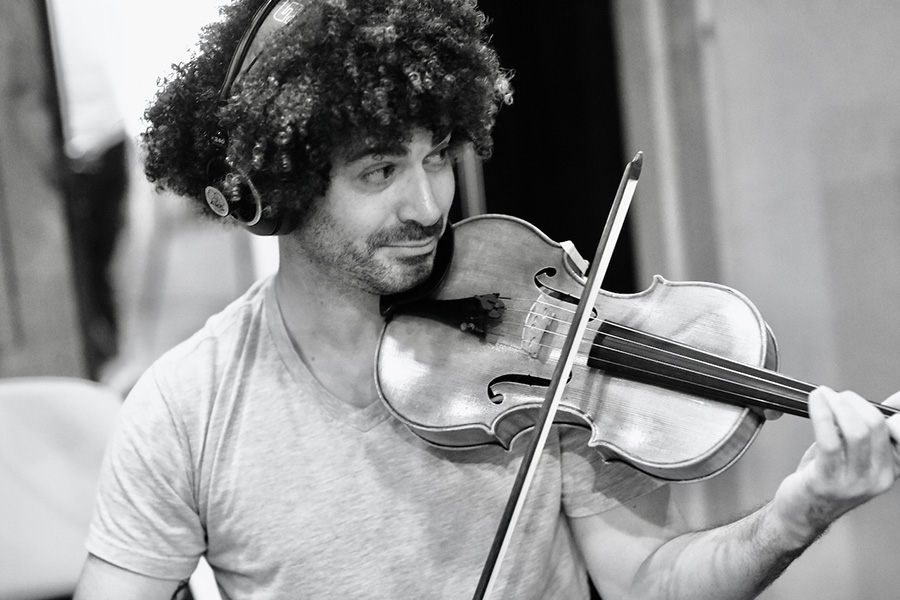
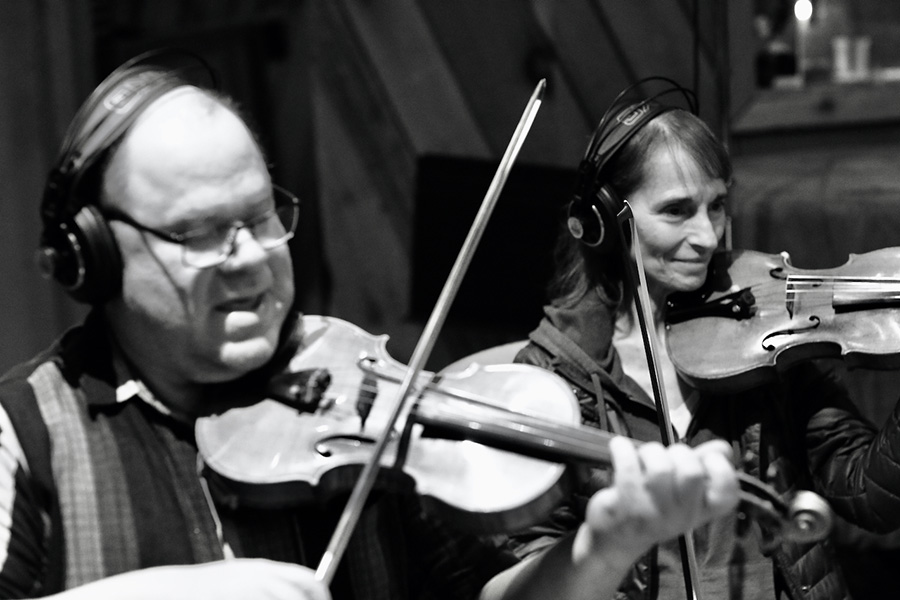
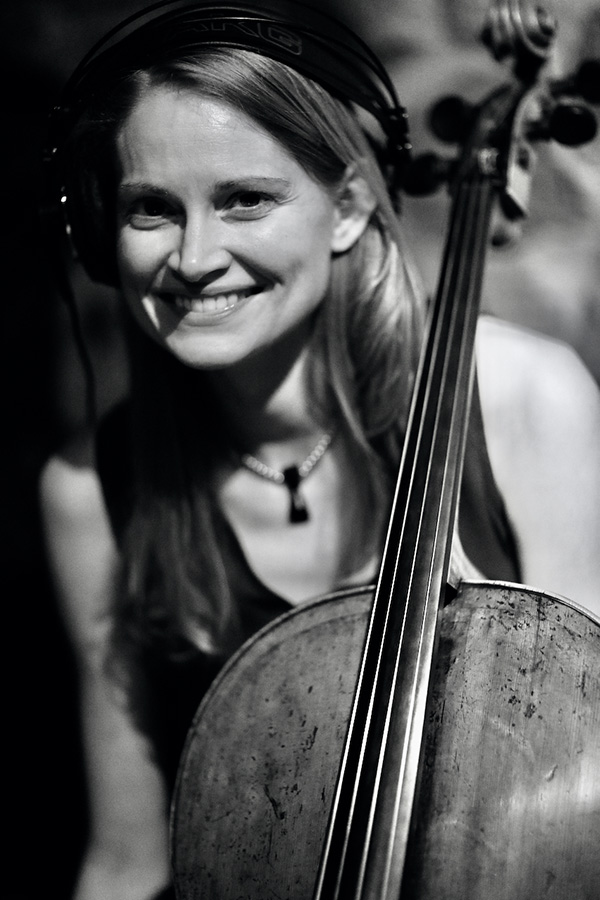
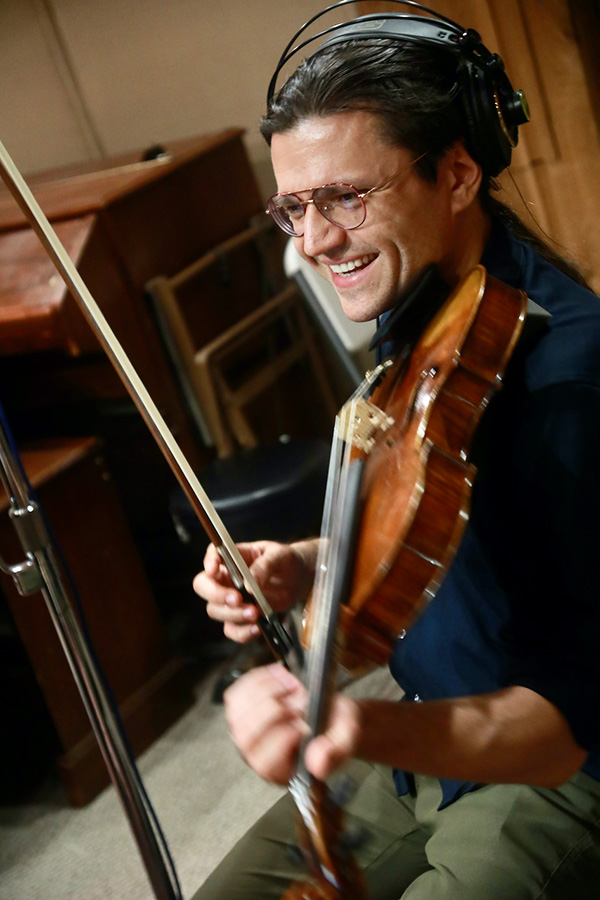
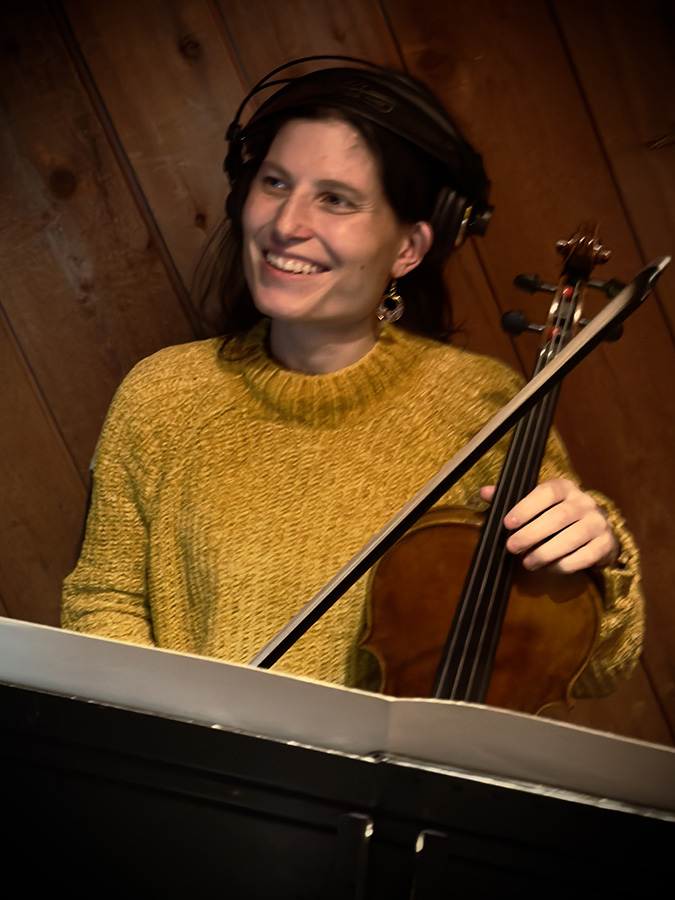
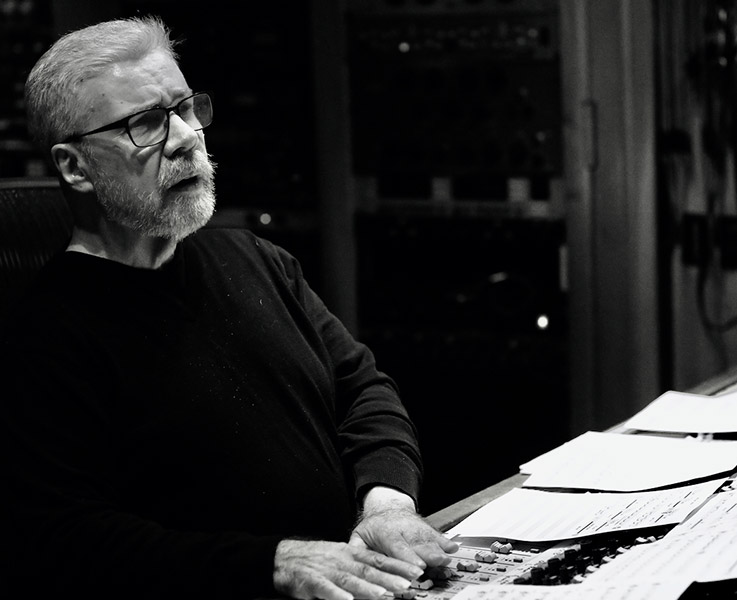
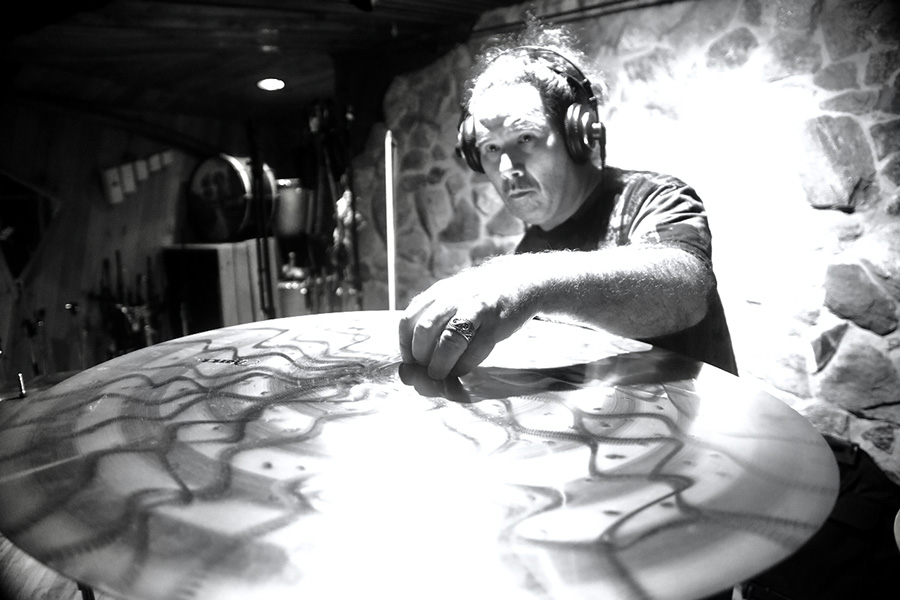
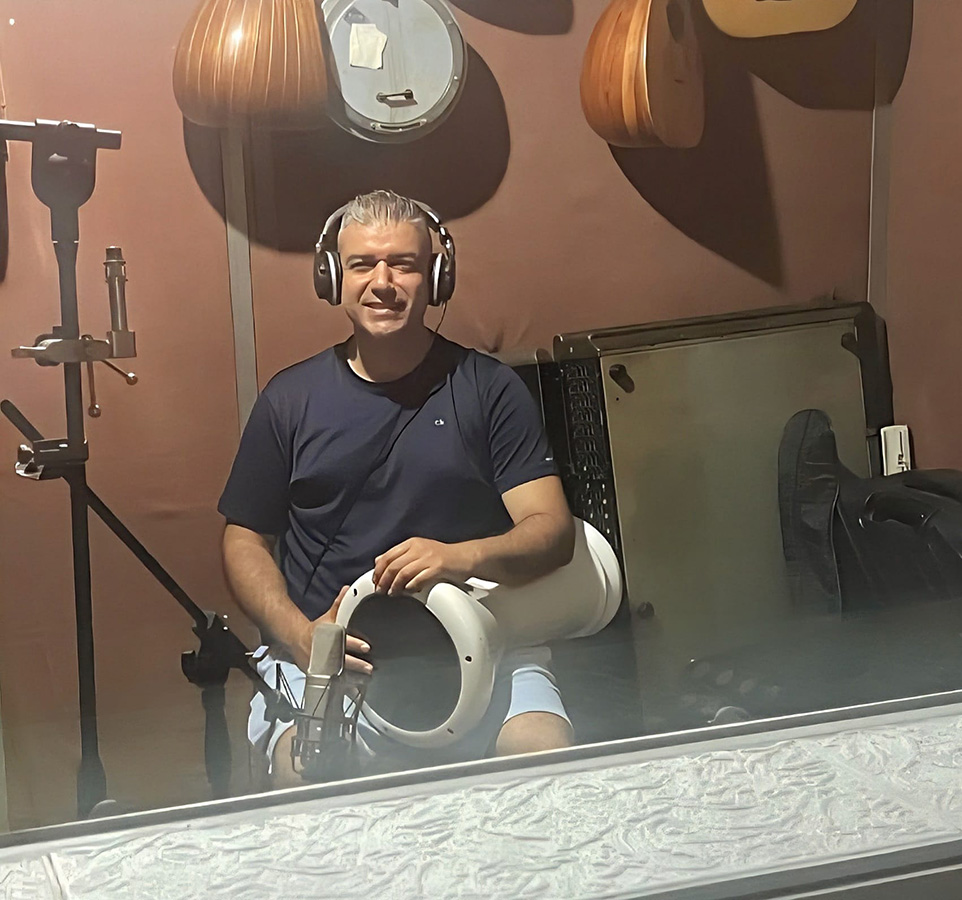
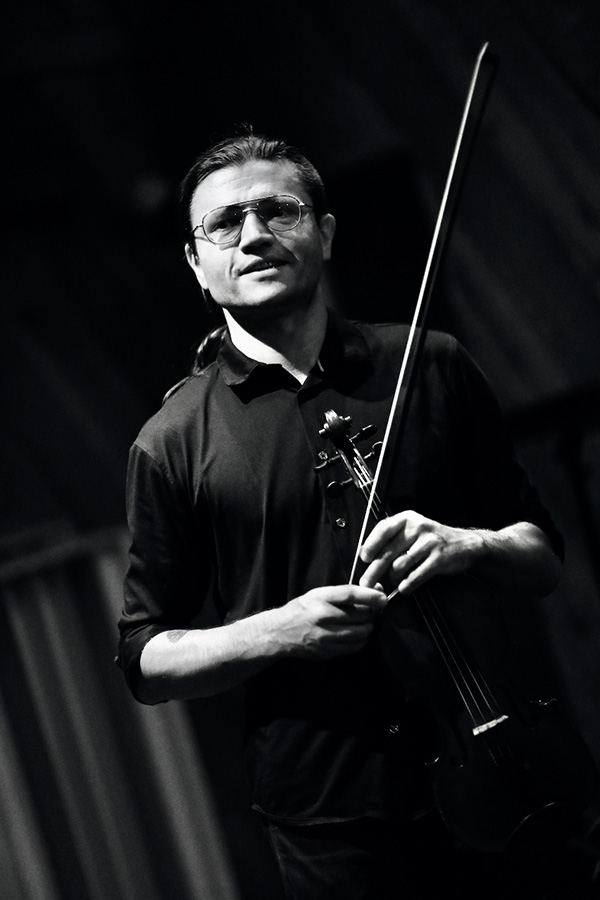
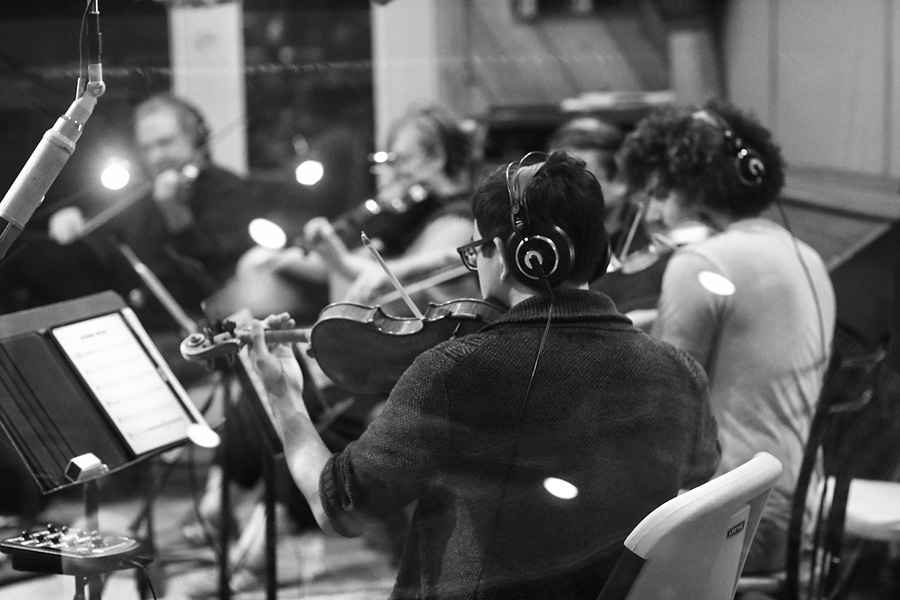
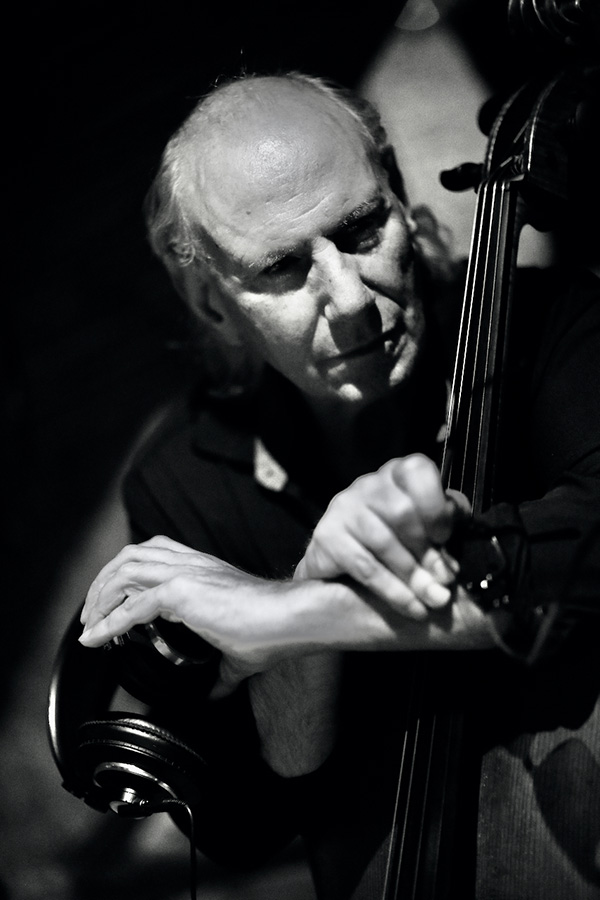
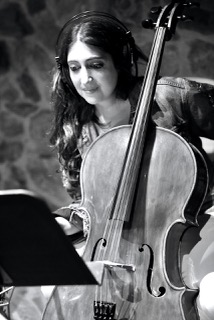
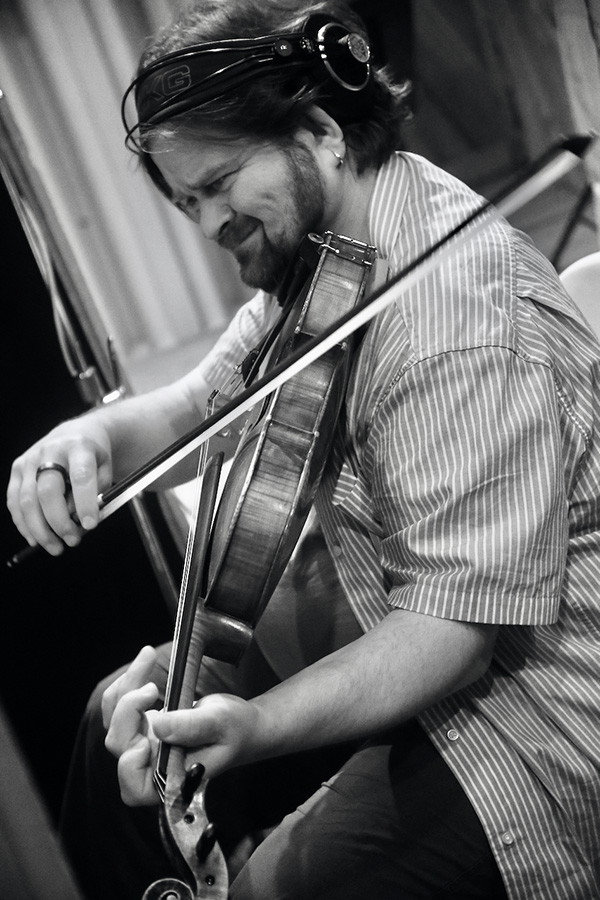
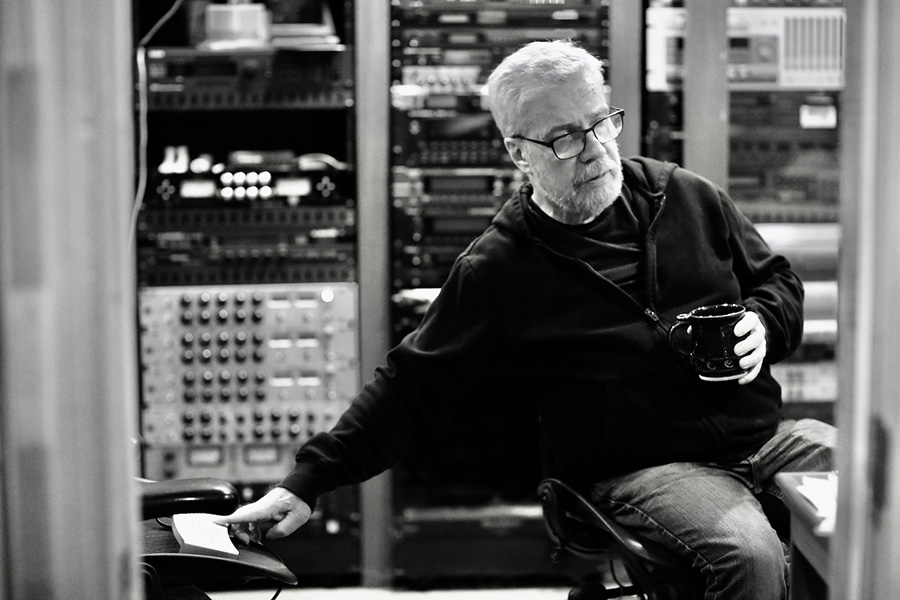
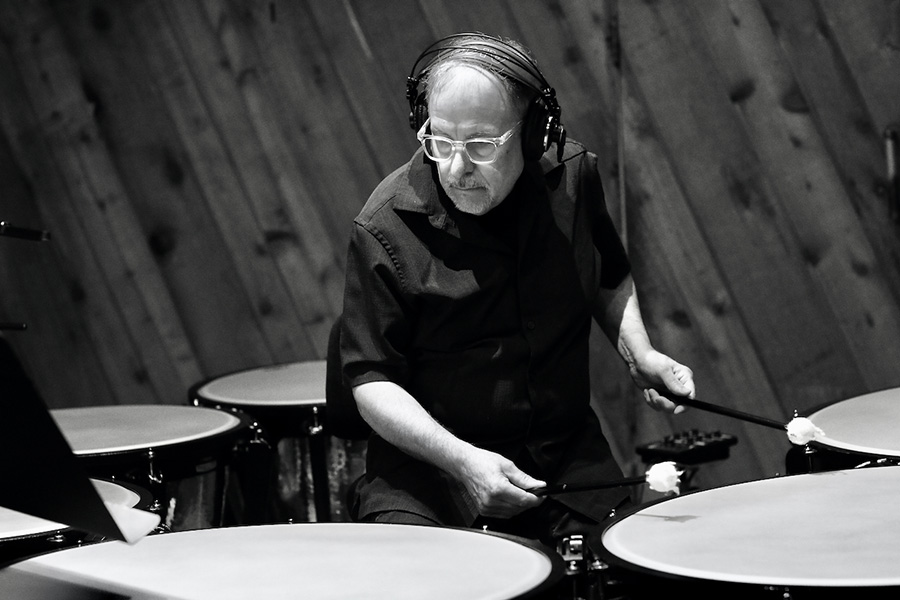
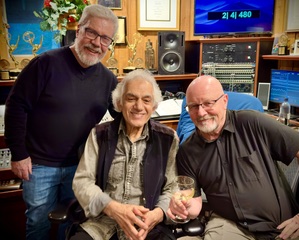
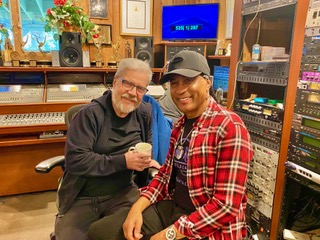
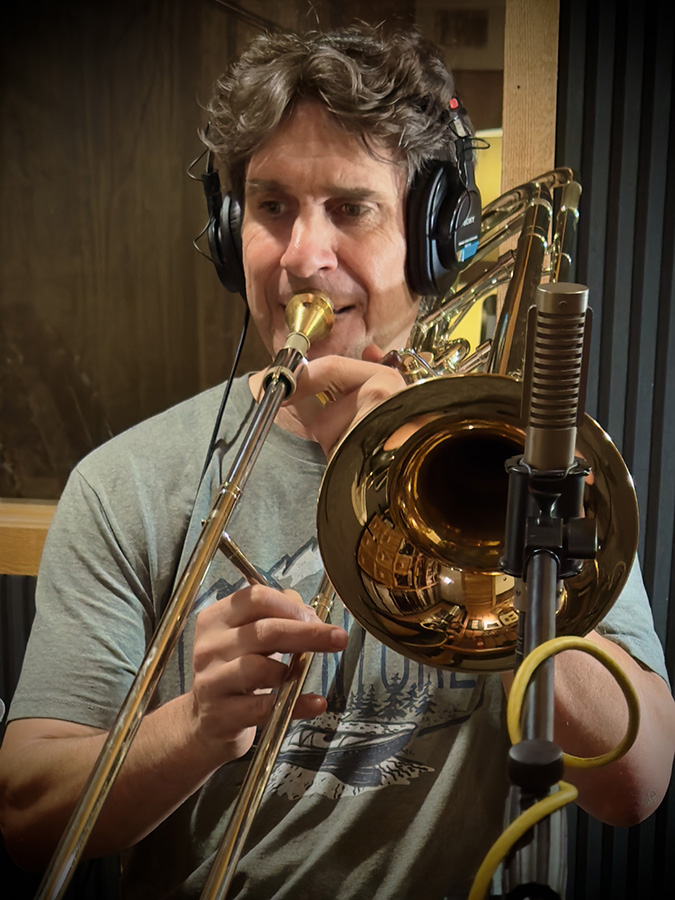
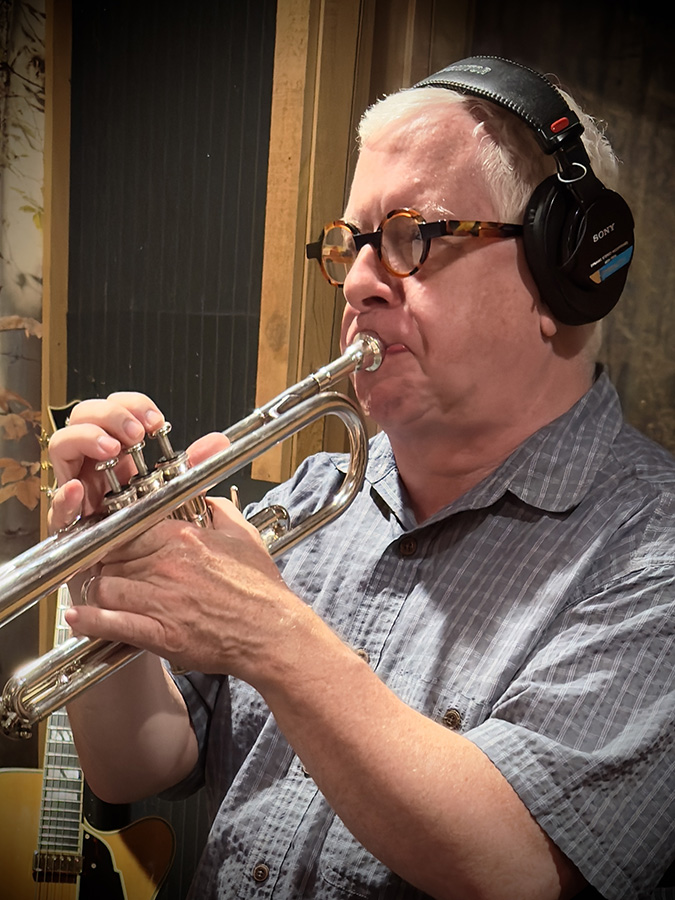
Once the monumental task of recording the symphony, A Speck In Time, was in a fine tune mixing stage in December of 2025, it was already obvious that the project would become something special, and Brian began putting together the team to do the film part.

The Vision

Brian Keane had a vision for A Speck In Time that had been there from the beginning. He had originally written the symphony as a vision of Earth from space, to which the audience would return to at the end (like a life cycle in itself). A more universal view, of life on Earth, in which humans were a part, but not the myopic center of the story. A view of humans in more realistic terms, as among the beneficiaries of magical circumstances.

The central practical question to begin with was how does this story get effectively told visually, and where does the footage come from? Brian had scored the music to literally hundreds of award winning films, but had never made a film himself as a director.

The first thing Keane did was to develop a script of the type of images that might be needed for each section of the symphony to convey a story of shared existence globally. The idea was to tell the story mostly in pictures and music, with a few graphics that conveyed the context of the story as simply and as factually accurate as possible. He also laid out a human history section where historical photographs would be needed.

Bringing the Images Together

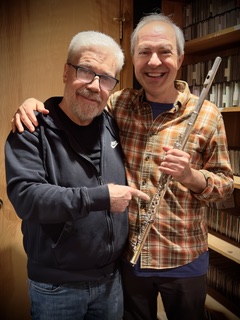
Keane knew that he would need a very good editor for this project from the outset. One with a great eye and a great ability at music editing, so he sought the services and availability of one of the best editors that he had ever worked with, Paul Carruthers. Brian had met Paul, oddly, in the sports world, working with Emmy and Peabody winning director Fritz Mitchell. Brian had worked with Fritz and Paul for about 20 years at that point, among many others, and Paul was the best editor he had ever worked with in editing music. Brian found a window in Paul’s schedule in January of 2026, and put his music employees, himself, and his partner Bonnie Erickson, to work in searching the stock libraries, and historical sites for specific images of geography of the planet, of animals, of people of all stations and varieties, and space footage, as called for by the script.

The combination of Keane’s clarity of vision and script, the diligent research of Bonnie Erickson and Brian Keane Music, Inc. staff, the expansion, and incredible selection of today’s digital stock libraries of footage and photos, the power of the music, and the editing skills of Paul Carruthers, produced exciting results right from the beginning, and the project was propelled by an exciting momentum at a fever pitch! Keane applied his central question (that had propelled him to be a top record producer) to the craft of film making: how can this be better? Every detail was meticulously addressed with the best possible image, hitting at the best possible time in the music. Many great images were found, and as in all documentary making, improvisations were created to solve challenges in the story telling with what resources were available.

From First Cut to Film

Working intensely over a six week period, the images came together that matched the original intention of the music and the script. Images were nudged by the smallest increments until they hit exactly with the music to create synergy in the energy being generated by the music and images. By early February 2026, the film was very close and the music mix had been completed.
Wanting to gain a realistic sense of what had been created from a viewer standpoint, links were sent of the initial cut of A Speck In Time, to 50 people of various backgrounds, ethnicities, ages, sexes, political and religious orientations, educations, expertise, etc. The group included a few famous directors and friends of friends who knew nobody associated with the project. Keane was seeking an honest feedback to a concept that had really never been done before. What came back was so overwhelmingly positive that Keane decided to abandon going the immersive route because of the corporate complications and inaccessibility to people who couldn’t afford expensive immersive tickets and, instead, concentrate on raising awareness for the film through film festivals, with the aim to eventually put it out for free, downloadable anywhere in the world on the internet, as a gift to the world we all share together.
The composer

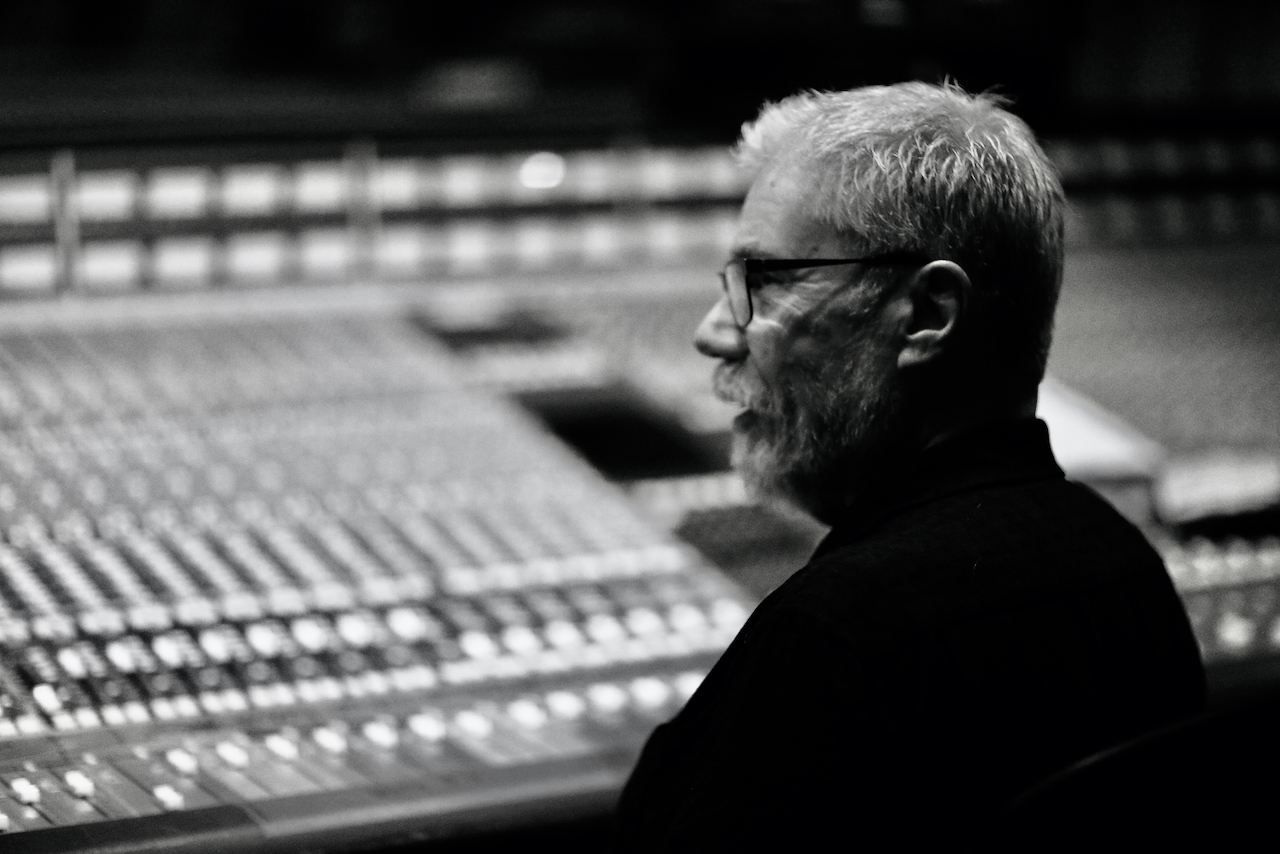
Brian Keane

Brian Keane — A Speck In Time

Brian Keane has been described as “a musician’s musician” by Downbeat, “a composer’s composer” by the Hollywood Reporter, and “one of the most talented producers of a generation” by the editor of Billboard magazine. His music has been critically hailed as “indelible and breathtaking” by the Los Angeles Times, “piercingly beautiful” by the New York Times, and “masterful” by Newsweek.

With a career spanning over 50 years as a recording artist, performer, Grammy winning producer (for over 150 albums, 37 being Billboard top ten charting in their categories), a multiple award winning composer of film and television shows garnering two Academy Awards, six Oscars nominations, nine Peabody awards, and over 75 Emmy awards (18 of which won Emmys for Best documentary or series), Keane has received 20 Emmy nominations for his music. He is a four time Emmy Award winner, the recipient of the New York Festivals TV & Film Grand Award, among many other composing honors, was inducted into the New England Music Hall of Fame in 2021, and is the only composer in history to have ever swept all of the Emmy nominations for music in a single year.


Copyright 2019 Brian Keane Music Inc